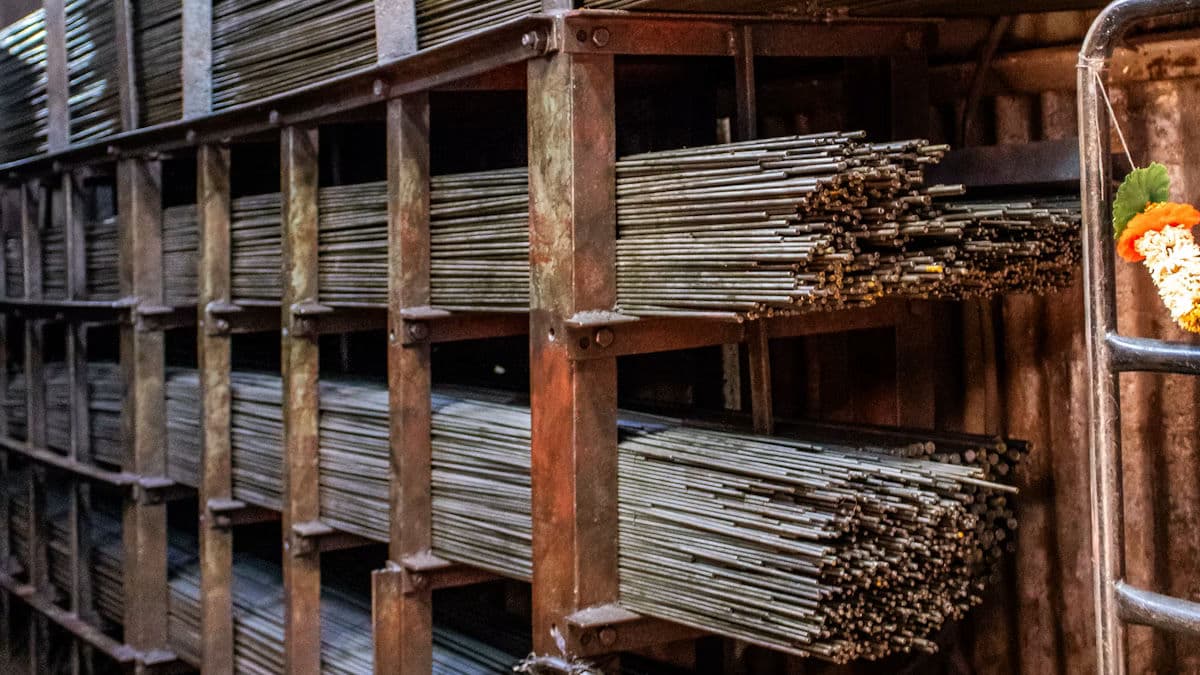
Multi-warehouse mill test certificate management breaks down the same way at distributors with two or more locations: material gets received at the main warehouse, the MTC gets filed with the receiving documents, and the material later gets transferred to a satellite facility for processing or to fill a regional customer order. The cert doesn't move. The material does.
At delivery time, the shipping warehouse confirms the order and loads the truck. Someone asks for the cert package. Nobody at that location has it, because it was filed 200 miles away when the material first arrived. The driver either leaves without the cert (common) or the shipment gets held while someone emails or faxes a scanned copy from the other location (also common, but slower).
In either case, the cert arrives after the material. The customer does their incoming inspection, needs the MTC, doesn't have it, calls you. This is a customer experience failure that originates entirely in a documentation process problem, not a material problem.
How Multi-Warehouse Cert Gaps Form
The root cause is simple: certs are filed at the point of receipt, but material moves. Receiving processes are designed to capture incoming goods and documentation together, which is correct. The gap is that there's no process to propagate that documentation when the material changes location.
Three specific triggers make this worse:
Inter-warehouse transfers for processing. A distributor receives raw plate at the main warehouse and ships coils to their cut-to-length facility. The cert is in the main warehouse files. When the processed material ships from the cut-to-length facility, nobody thinks to include the original MTC because it was never at that facility.
Fulfillment transfers to meet regional demand. A customer order comes in at a regional distribution point that doesn't have the right material in stock. The main warehouse ships material from their inventory to fulfill it. The cert stays with the main warehouse receipt. The regional location ships without the cert because they received stock, not documentation.
Long-cycle stock movement. Material sits in receiving warehouse inventory for months, gets transferred to another location as part of a periodic inventory rebalance, and the cert stays in a 6-month-old receiving folder. By the time that material ships from the second location, the connection between the cert and the material is broken.
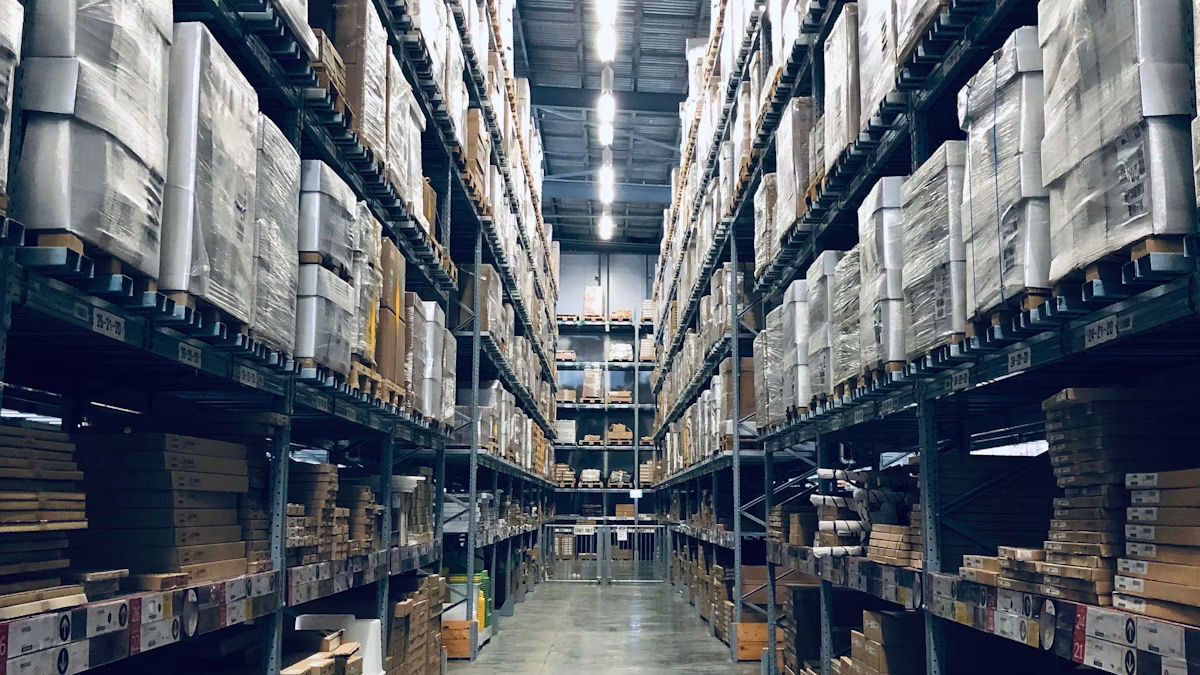
Building a Cert-Follows-Material Protocol
The fix is procedural and technical. Procedurally, the rule needs to be explicit: when material moves between locations, the cert moves with it. Technically, that means having a way to know which cert goes with which material, and a mechanism to transfer it.
Procedure side:
Every inter-warehouse transfer document needs a cert reference field. When the transfer is initiated, the originating warehouse looks up the cert for that heat or lot and records the cert reference number (or document number) on the transfer document. The receiving warehouse confirms receipt of both material and cert documentation.
If the cert is physical (paper), a copy goes with the transfer. The original stays in the receiving archive; a certified copy is sent to the destination. If the cert is digital, the cert record is linked to the new location's inventory record.
Process checkpoint: Before any material ships from a location, the picker or shipping coordinator should verify that the cert for that heat is available at that location, not just that it exists somewhere in the company's files.
Technical side:
A shared digital cert repository eliminates the physical transfer problem entirely. When certs are stored in a central system accessible by all locations, the question stops being "do we have the cert at this warehouse?" and becomes "do we have the cert linked to this order?"
That's a meaningful difference. The cert doesn't need to physically exist at each location. It needs to be accessible to anyone preparing the shipment package. A cloud-based cert management system, or even a properly organized shared document system, solves the access problem.
The Delivery Delay Cost
The operational cost of the cert gap is measurable. A shipment that leaves without the cert generates one or more of the following: a follow-up call from the customer, an email chain to get the cert transmitted, a customer hold on the material pending cert receipt, or in regulated industries, a formal nonconformance report against your company.
For distributors serving customers with incoming inspection requirements (pressure vessel shops, aerospace fabricators, nuclear component manufacturers), arriving without the cert is not a minor inconvenience. It can trigger material rejection, require a re-delivery visit, or violate the terms of an approved supplier agreement.
Even for general industrial customers, the cert chase wastes time on both sides of the transaction. Customers eventually stop expecting the cert to arrive automatically and start building in a buffer for chasing it, which means they're also building in a buffer before your material makes it to their production floor.
The cert-follows-material protocol is not a significant operational burden. It requires adding one field to transfer documents and one checkpoint to the shipping process. The return is fewer post-delivery cert requests and the operational credibility that comes from getting documentation right the first time.